
Palo Alto Networks is a leading network security equipment manufacturer headquartered in Santa Clara, California. The company’s flagship products are Next-Generation Firewalls (NGFWs), built on a single-pass architecture that delivers a unique capability in the industry. Key features of these firewalls include seamless integration with GlobalProtect mobile security services, as well as with information security services such as URL filtering and threat detection. Integration with the WildFire malware analysis environment enables the firewall to detect and respond effectively to emerging threats. In the rapidly evolving world of virtualization and cloud computing, security remains one of the most critical challenges for cloud specialists. Palo Alto Networks addresses these concerns with its Cloud Security product line, providing organizations with exceptional confidence and robust protection for their cloud environments.
Palo Alto Networks firewalls are among the most well-known and advanced Next-Generation
Firewalls (NGFW) in the world, with a strong focus on application-based
security and detecting sophisticated threats.
Let’s go step-by-step:
Like Cisco Firepower, Palo Alto is an NGFW, but its approach to
traffic identification is slightly different.
Its platforms include:
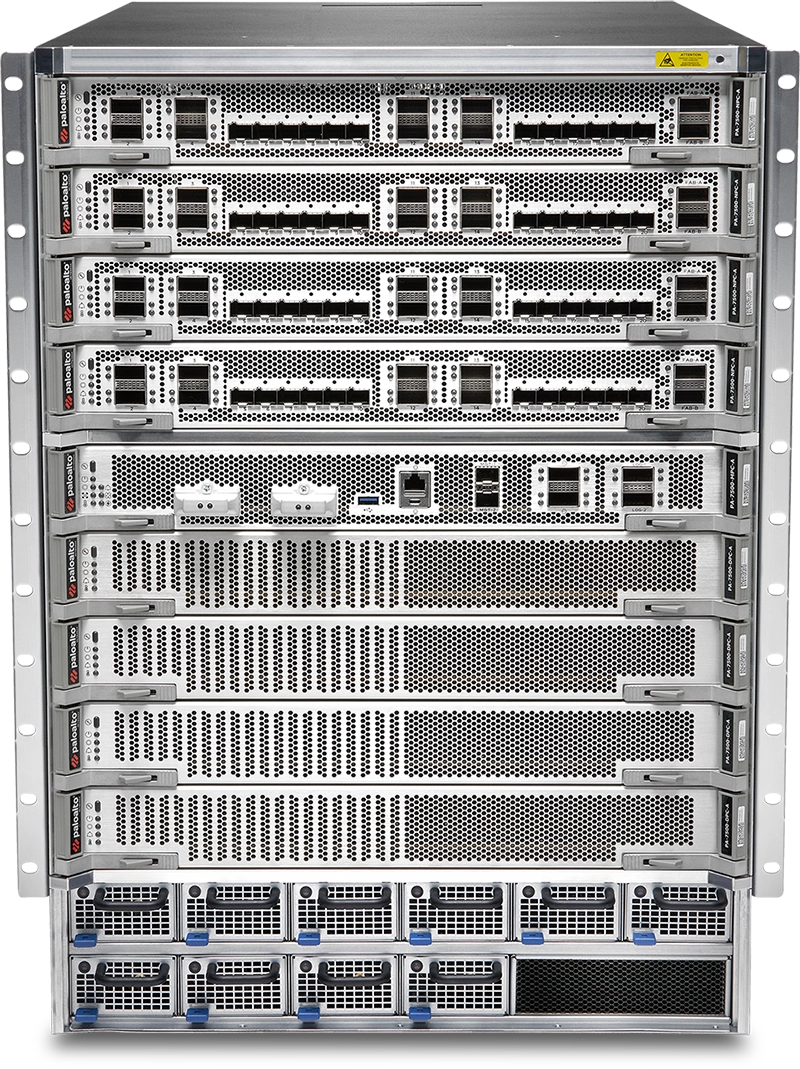
All Palo Alto firewalls run on PAN-OS, which provides all features natively, meaning:
Three core traffic identification technologies in PAN-OS:
| Feature | Description |
| Stateful Inspection | Tracks and filters sessions like traditional firewalls |
| Application-based Policies | Enforce rules based on applications, not just ports and protocols |
| Threat Prevention (IPS/IDS) | Detects and blocks known attacks |
| WildFire | Cloud sandbox service to detect unknown (zero-day) malware |
| URL Filtering | Restricts access to websites based on categories |
| Data Filtering | Prevents leakage of sensitive data (basic DLP) |
| SSL Decryption | Inspects HTTPS traffic |
| GlobalProtect VPN | Remote VPN service with endpoint security |
| DNS Security | Prevents DNS-based attacks and access to malicious domains |
FortiAI-Proposal
Comprehensive Data Center Networks Solutions
Comprehensive LAN Network Solutions
Comprehensive Network Quality Assurance Solutions
Comprehensive WAN Network Solutions
Acunetix
CORE Security
Nessus vulnerability scanner
Nessus
Penetration Testing Services
Tenable SC
VA Services
ASM
GAP Analysis
NIST Cybersecurity Framework (CSF)
NIST Risk Management Framework (RMF)
Seceon
Security Operations Center (SOC)
SOAR